Walk down any grocery aisle and you will see packages promising to be natural, light, wholesome or full of goodness. The front of the box is designed to sell, while the back tells the real story. Once you know where to look, reading a food label takes only a moment, and it can change the way you shop, cook and feel.
Start with the serving size
Everything on a nutrition label is based on one serving, and that serving is often smaller than the amount people actually eat. Before you look at anything else, compare the serving size with your usual portion. If you normally eat twice as much, remember that the sugar, salt and fat double too.
Read the ingredient list
Ingredients are listed from the largest amount to the smallest. Look for whole foods near the top, such as oats, beans, vegetables or nuts. If sugar, syrups or refined flour appear first, or sugar shows up under several different names, the product may be less healthy than its packaging suggests.
Watch salt, sugar and fiber
Choose foods lower in sodium and added sugar, and higher in fiber. The percent daily value column is a handy guide: a low figure means a food provides only a little of that nutrient, and a high figure means it provides a lot. Aim low for salt and added sugar, and high for fiber, vitamins and minerals.
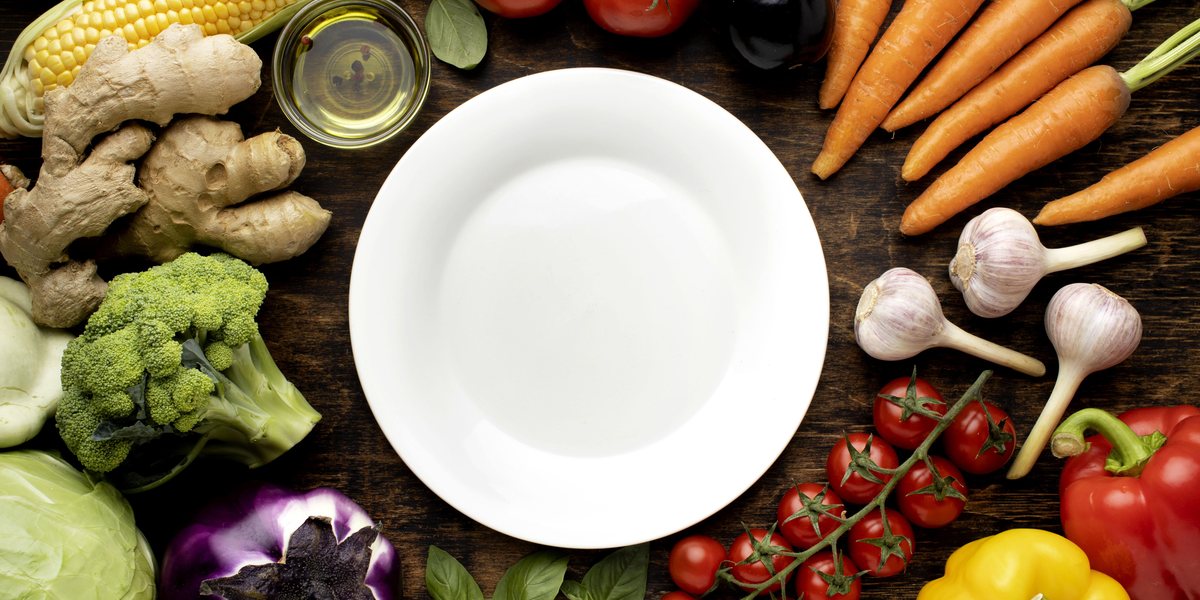
The healthiest foods often have the shortest labels, and many of the best ones have no label at all.
Your quick label checklist
Keep these questions in mind the next time you shop:
- How does the serving size compare with my portion?
- Are whole foods listed first in the ingredients?
- Is the product low in added sugar and salt?
- Does it give me a good amount of fiber?
- Would a fresh, unpackaged option work just as well?
If you are managing blood pressure, diabetes or a food allergy, ask our nutrition team for a personal shopping guide made for your needs.
You do not need to read every label in the store. Focus on the foods you buy most often, swap one product at a time and fill the rest of your cart with fresh produce, whole grains and simple proteins. Our dietitians are always happy to walk you through it.